The Future of Mining: Space Mining, Asteroids & Sustainable Critical Materials
Hey folks, it’s your Engineering Uncle here 👋 As demand for critical materials explodes for AI and EVs, many visionary engineers are looking to space. In this issue: asteroid mining, lunar resources, sustainability, and whether space can solve Earth’s mineral challenges. Read on!

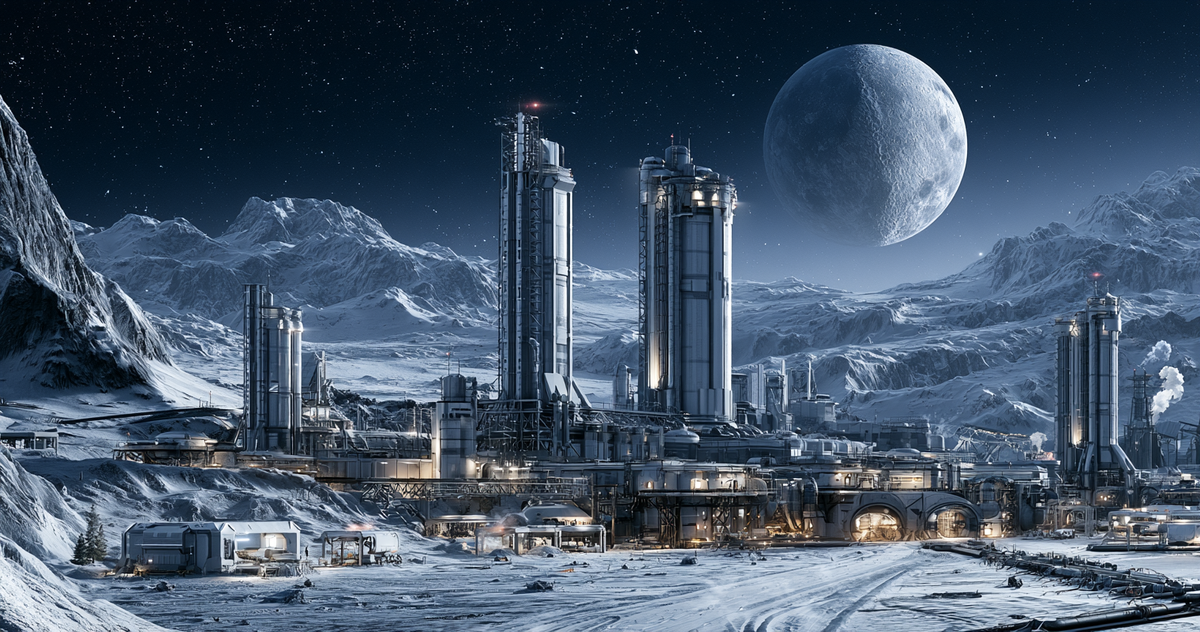
From asteroid platinum mines to lunar regolith factories — how space mining could solve Earth’s critical materials shortage for AI, EVs, and beyond.
Hey folks, it’s your Engineering Uncle here! While we’re busy digging deeper on Earth for lithium, copper, and rare earths, a bold new frontier is opening up — space mining.
The idea sounds like science fiction, but it’s rapidly becoming serious engineering reality. As demand for critical materials surges for AI data centers, electric vehicles, renewable energy, and advanced electronics, many experts believe space resources could provide a sustainable, near-limitless supply.
Why Space Mining Makes Sense
Earth has finite high-grade deposits, strict environmental regulations, and long permitting timelines. Space, on the other hand, offers:
- Asteroids rich in platinum-group metals, nickel, cobalt, iron, and even water ice.
- The Moon with abundant regolith that could be processed into oxygen, metals, and building materials.
- Near-Earth Asteroids that are easier to reach than distant ones.
Companies like Astroforge, TransAstra, and several national space agencies (NASA, China, ESA) are actively developing technologies for asteroid prospecting and extraction. The economic prize is enormous — a single platinum-rich asteroid could be worth trillions of dollars.
Key Technologies in Development
- Robotic miners and autonomous spacecraft
- In-situ resource utilization (ISRU) — turning lunar or asteroid material into fuel, oxygen, and construction materials on-site.
- Water ice harvesting for rocket propellant (huge cost saver).
- Optical mining and laser extraction techniques.
- Return capsules to bring valuable metals back to Earth.
Sustainability Angle
Space mining could dramatically reduce pressure on Earth’s environment:
- No terrestrial habitat destruction
- No large tailings dams
- Potential for closed-loop manufacturing in space
However, challenges remain: extremely high upfront costs, technical risks, legal questions (Who owns an asteroid?), and the massive energy required to launch and return materials.
The Bigger Picture
Space mining isn’t just about greed or profit. It’s about securing humanity’s long-term future. If we want to build large space habitats, lunar bases, or Mars colonies, we must learn to “live off the land” in space rather than shipping everything from Earth.
This new era of mining — from deep Earth to deep space — represents the ultimate evolution of the industry: from brute force extraction to intelligent, sustainable resource utilization across the solar system.
The future of mining won’t just be on Earth. It will be among the stars.
FAQ (SEO/AEO Optimized)
What is space mining?
Extracting valuable materials like platinum, rare earths, and water ice from asteroids and the Moon.
Why is space mining important for AI and EVs?
It could provide abundant critical materials without further straining Earth’s resources.
Is space mining happening now?
Yes — several companies and space agencies are in advanced planning and early testing phases.
What are the biggest challenges of space mining?
High costs, technical difficulties, legal ownership questions, and returning materials to Earth economically.
Can space mining be more sustainable than Earth mining?
Potentially yes — it avoids terrestrial habitat destruction and can use in-situ resources.